How ChatGPT Helped Me Achieve a New Personal Best in the Marathon
For experimental reasons I did a full marathon training block under the sole guidance of generative AI. Here’s what I’ve learned and what I’ll do moving forward.
Published on 7th of May, 2026
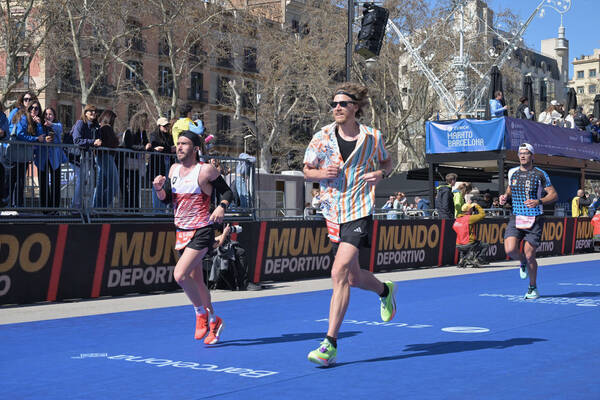
Running coaches all over the world have become increasingly anxious during the past few years with the advent of large language models such as OpenAI’s ChatGPT or Google’s Gemini. But rightfully so? Can chatbots really replace a human running coach?
One thing is for sure, the actual human touch will inevitably be missing when choosing generative AI over a running coach. We don’t know yet if it’s ever going to be possible to replace that, but certainly not right now. Every aspect apart from that is a different story.
Disclaimer: No AI was used in writing this article. Read about my usage policy of AI on this blog here. With that out of the way, let’s get into it.
What makes a good running coach?
- First, a large theoretical knowledge base.
- Then, years or better decades of practical experience coaching runners, listening to them, helping them to new personal bests but also successfully guiding them through setbacks.
- An open ear and mind at all times, or at least during previously agreed upon timeframes.
- Flexibility in changing and rewriting plans, adjusting to circumstances.
- Recognizing what a runner means and guiding them towards the best possible action at each moment.
On paper, all these things sound like they can be done by AI — many of them probably even better than by a human. Especially the size of the knowledge base an AI has at its feet is impossible for a coach to match. Or the 24/7 availability and basically unlimited time to do countless training plan rewrites.
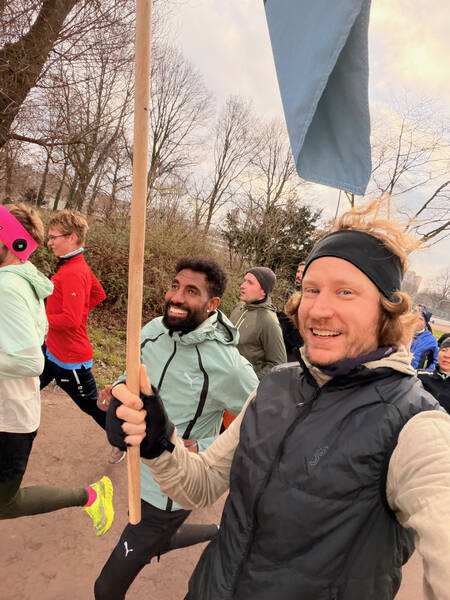
I’ve been a tech-savvy guy with access to a computer since I was a 12-year-old, learned basic programming as a teenager and got my first real job at a small web services company before starting my own company designing and coding websites, apps, and a handful of browser games. I was never the most talented guy but I could usually get things done and ideas turned into reality. Later, the most lines of code at my company were written by my team instead of myself, while I mostly managed the clients and projects. I’ve never lost my curiosity for it all, though.
In late 2020, the programmers in my team showed me the tech demo of the GPT-3 API beta which was released to developers on an invite-only basis. It was very clunky and slow, but I remember playing around with it and finding it absolutely incredible. We all did.
Two years later, the chatbot experience launched we’re all familiar with today.
As with all new technology, it comes at a cost and is bound to have critics. As it should! But I don’t think it can be denied how useful it has become for a huge variety of tasks. I think many of us have spent quite a bit of time in different stages of adaptation. First, curiosity. Playing around. Finding out what’s possible and how the capabilities evolve. A bit of personal hype, maybe. Then, occasional use. A bit later, thoughts started popping into our heads such as:
“Oh, that’s also something I could ask it and would probably get a helpful reply!”
And then, it just slowly transformed into a tool we use on a daily basis for lots of everyday questions we have. I saw parallels with the advent of the classic search engines in the early 2000s.
Of course it didn’t take long until people realized it can also be used as a running coach. I also started questioning the tool on how best to schedule my training runs and was happy with a helpful reply here and there.
It wasn’t until late 2025, though, that I made a real effort at it. I felt like the models are now powerful enough to present a real benefit to me, and, possibly even win in comparison to the human coaches I’ve worked with before.
🧑🔬 Time to Find Out If That’s True!
In the fall of 2025, I was starting to think about how to best plan my training for one of my main goals in 2026, finishing the legendary long distance triathlon Challenge Roth in under ten hours.
I’ve done a bunch of long distance triathlons years ago, but have never had a time-based ambition going into them. The past handful of years I’ve spent trying and succeeding at becoming a better runner. Doing that right definitely is a challenge on its own. But throwing bike and swim training back into the rotation as well, in a smart way nonetheless, requires yet another level of planning. That sounds like a task for a computer!
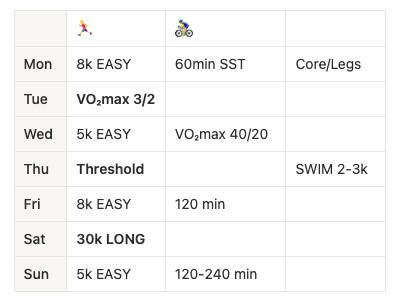
The first solution I had ChatGPT come up with was a sort of “Evergreen Week Plan” for my long distance triathlon goal, given my current training status and weekly limits. I tried it for a couple of weeks to see how it would feel, before switching it up in order to focus on a fast spring marathon race as a stepping stone for Roth.
The Evergreen Week Plan was a helpful base, though. I fed the AI information about my status, my goal, and my weekly time available to train. Also, my important constraints. Very basic stuff for now. It came up with a general idea of how to structure the three sports and where to place the intense key sessions every week. It’s not perfect, but it was a great starting point for me.
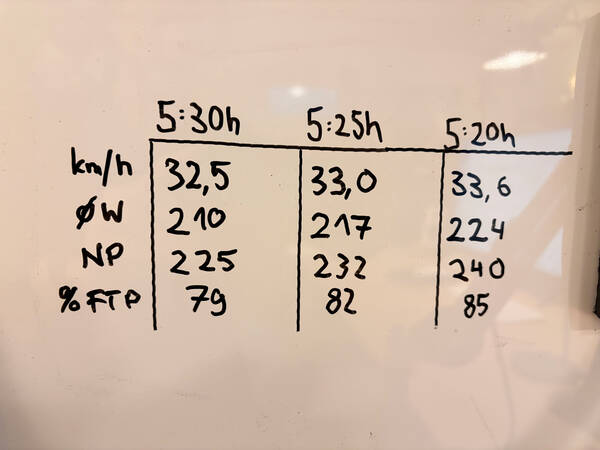
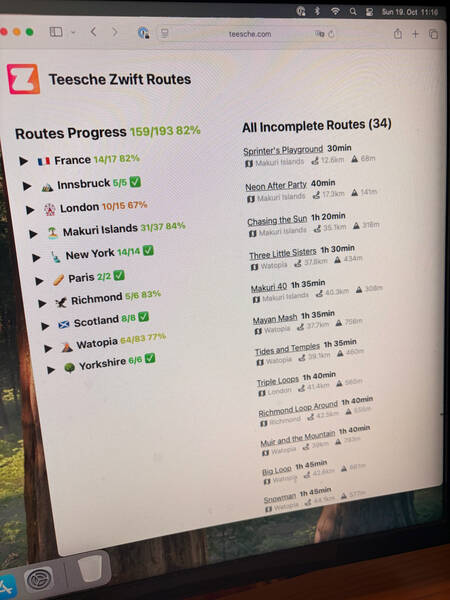
Before really getting into triathlon training, though, I used a fast March marathon race as a stepping stone for building my fitness over the winter and come out a fast runner at the other side. This had been a strong strategy in recent years because I could take that fitness gain into the whole of summer, and especially for my ultramarathons that has proven to be very helpful.
So my training now had to get a stronger focus on running and getting me into marathon PB shape, starting at around the middle of December. I wanted to chase a 4:00 minute per kilometer average at Barcelona Marathon on March 15th, which would equal to a 2:48 hour marathon. My current personal best was at 2:55:47, so it’s not a crazy goal.
💨 Putting Together the Speed Foundation
Most training plans begin with focussing on VO₂max improvement before moving towards longer sustained tempo efforts during the latter half of the training block leading up to a marathon race. ChatGPT suggested I do the same, because its knowledge is based on what humans do. So I started with a week of high intensity cycling, cramming four big sessions into just over a week, each one with many minutes at unsustainably high efforts. That’s a good trick to elevate cardiovascular fitness in a short amount of time.
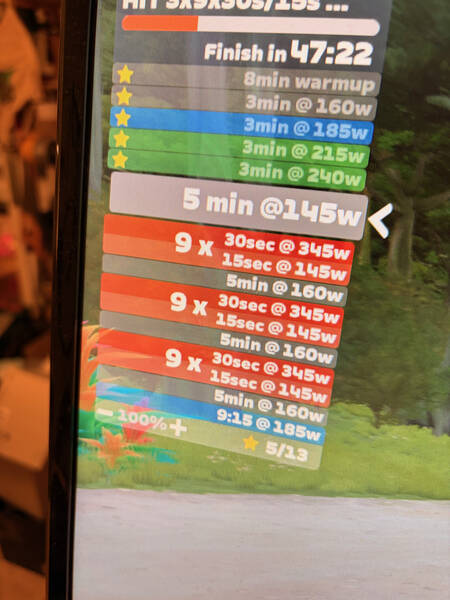
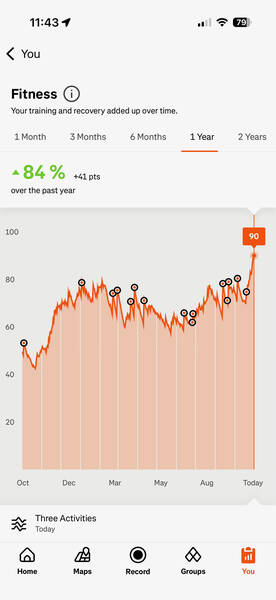
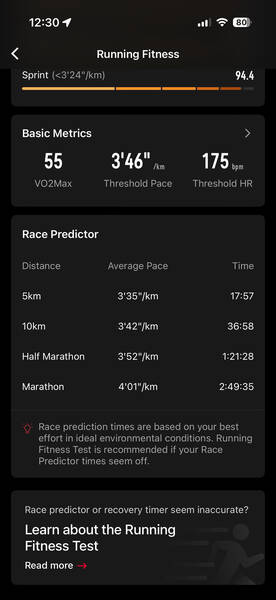
Not long after, we went on a two-week family vacation to southern Spain where I had enviable conditions, perfectly suited for running. This being the end of December I was really lucky to get some actual speed-work done. In the two weeks I did two big sessions of 3:00 minute VO₂max reps, as well as two big sessions of three sets of 7–8 thirty second hill reps each. As hard as possible, because that’s where the gains are when you’re running up the hills.

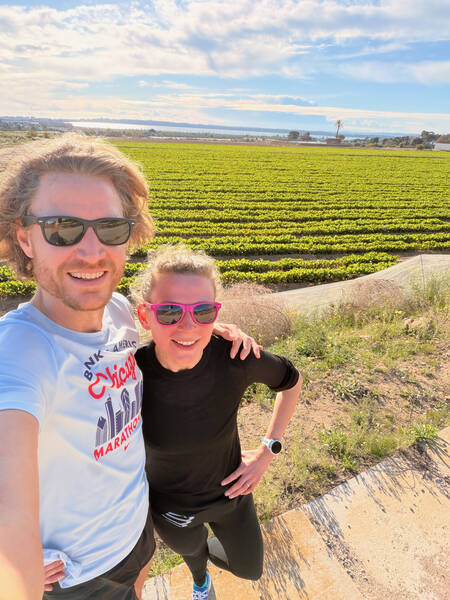
Coming back to Hamburg eager to get into the ChatGPT training plan in early January, ten weeks left until the big race in Barcelona, I found the whole city covered in snow and ice.
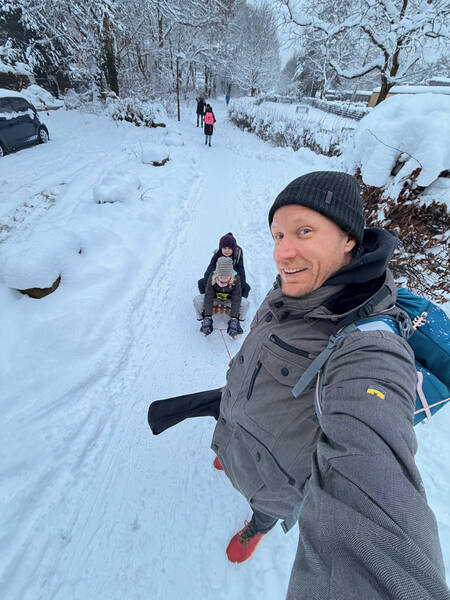
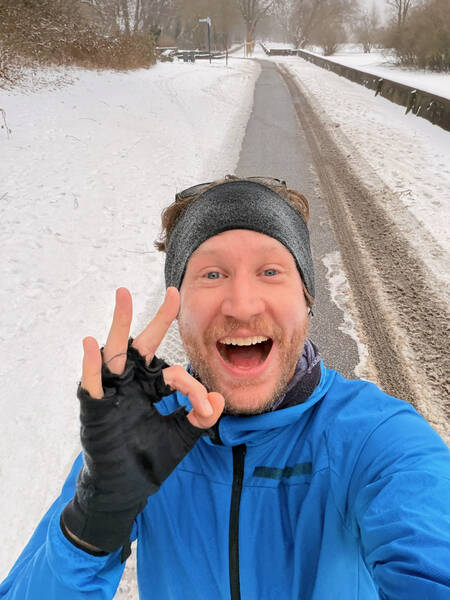
Nothing unusual so far, just a bit annoying at first. But this time, the snow and ice just decided to stay until about February 20th, a whopping seven weeks. In addition, it’s been the coldest winter in twenty years in Hamburg. The ice was really tough to run on — I could only really run using my grippy trail running shoes and I was too scared to do speed work or tempo runs, because these require me to run at speeds where I become slightly unstable and can’t really comfortably take care of safe footing.

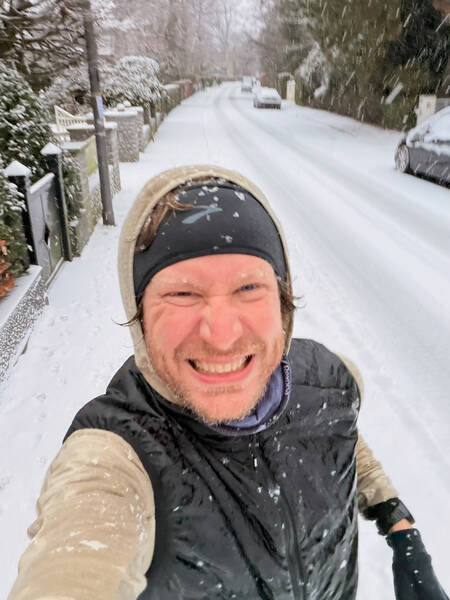

Every week this continued on I grew more frustrated. There were a few short breaks where we had some warmer weather, or when the street cleaning convoys did a good job clearing a part that was suited for running fast, but I could count those days on a single hand.
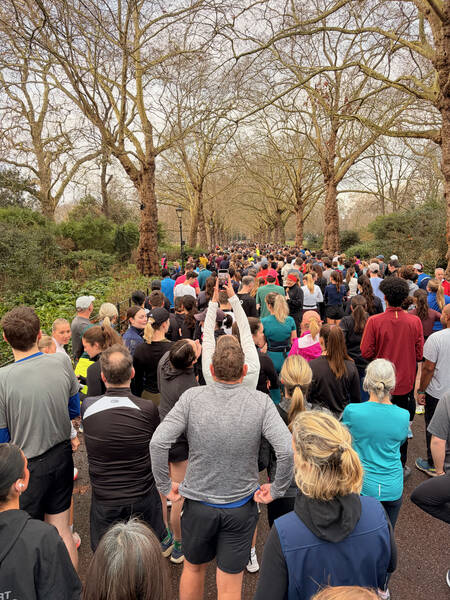
Fortunately, I had a short break from it near the end of January. A weekend in London I had booked to recharge my depleted energy levels from caring for the family during the dark winter. London had no snow at all and felt warm to me at 5–8C. Of course I looked into races for the weekend and ended up joining the Battersea Park parkrun on Saturday. It was so full, an estimated 1,200 people appeared to this free 5k run, that the first two kilometers were completely congested. In a fun way, though. The final three kilometers were a lot better, so I tested my legs and reached a new personal best on the two-miles during those last three kilometers. Cool!
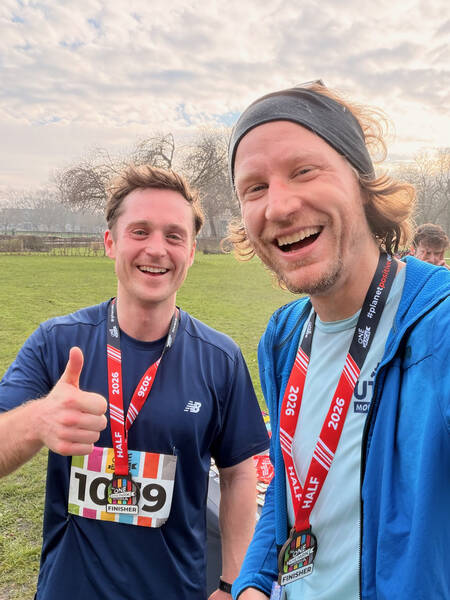
The Sunday after it I had signed up for a half marathon in Victoria Park — flat and fast, great tempo test. For the previous three weeks I wasn’t able to train tempo much and had to rely on indoor Zwifting, so this was going to be interesting. I went at it bravely and ran a 3:58 min/km average in the end (6:23 min/mi), ending up getting outsprinted for the last podium position at this fun race, coming in fourth place. Not too bad! On the other hand I knew that for this to become my full marathon pace, I would require a bunch more good weeks of no-ice training at home.
🗒️ Dealing With Unplanned Occurrences
Fortunately, this harsh winter situation is exactly where planning my training using an AI came in very handy. I could just ask it to replan my training over and over again without the guilty conscience of annoying a human coach!
Also, I had it plan more training sessions on the Zwift bike for me, so that I would benefit from the endurance and speed gains and take that back into running.
And on the few days in January and February when running was actually possible outside, I quickly asked ChatGPT what specific session I should do on that day to make the most out of the situation. These turned out to be mostly threshold workouts, aimed at making running fast cheaper for my body. There is nothing new to this, but it has been very comfortable to just being able to get a solid recommendation on short notice on how to structure the intensity given how the training has been going in the past few days and weeks.
💬 How I Converse With ChatGPT About Training
It suggested, for example, six by six minutes at near threshold pace, which at the time was around 3:45-3:50 min/km. Earlier in the block, it would suggest shorter variants of it, such as four by eight minutes or six by five minutes. Being aware of my training context helped a lot, but it was also great that I could just feed it information about how I currently felt, how I slept, or how fresh my legs were, before asking it for a training session recommendation.

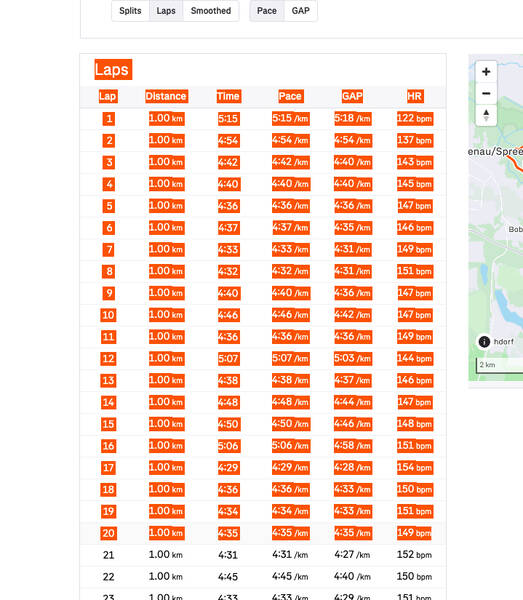
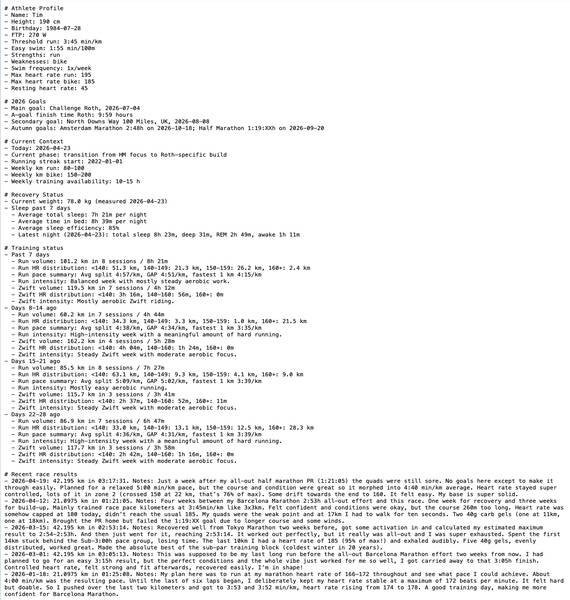
So far, I didn’t make a real effort at providing ChatGPT with lots of structured data on my runs, I just fed it some key points here and there. For example, just copy/pasting the kilometer splits from a threshold workout including my heart rate data has good-enough significance for it to make some suggestions for me going forward.
This is easily replicable for anyone who’s not that tech-savvy. The best possible way to provide your AI of choice with all relevant data would probably be using a (paid) MCP service that connects to your training data platform, for example Strava, puts the years of data into a machine-readable format and feeds that into the AI. MCP stands for “Model Context Protocol” and is a way to make data from web services accessible to AIs, hilariously often displayed in the Markdown format, created by John Gruber.
For a bunch of years now I have already worked with the Strava API and set up an automatic sync between it and my own database. I’ve done this for multiple different reasons and being a nerd is certainly one of them, but I always knew this would come in handy in the future because I could more easily feed the data into more advanced services. The day had come this paid off. So I built a small wrapper tool which would grab my most recent weeks of training data logged on Strava right out of my own database, make sense of it, and display it in machine-readable way. Having the code for it written by OpenAI’s Codex made this possible within minutes. The result is an always-up-to-date document I can simply feed into ChatGPT to ask it any training-related questions. This way its answers have become a lot more sophisticated and helpful for me.
🚀 How the Marathon PB Race Went with ChatGPT
With the winter being so strong my training went far from perfect, even though ChatGPT and I tried our best to make the most of it. In the few weeks leading up to the race when it finally thawed, I managed to get in a few more good sessions outside, but I was far from the 4:00 minute per kilometer pace fitness I wanted to go for.
The next challenge for ChatGPT was obvious: What shape am I actually in? What best possible result can I expect if I really go for it, based on the fitness level I have reached? This is hard to know. Without any good guidance, most people including me might have just went for the goal pace to see how long they would last, jogging home the last 10k or straight-up DNF’ing. But not this time! I knew from previous all-out marathon races what heart rate I was usually able to hold, and my fitness wasn’t too bad right now. The paces I was able to run during the most recent threshold intervals told a useful story. My own subjective body-feel also plays a role, of course, and I never shied away from feeding ChatGPT that information, too.
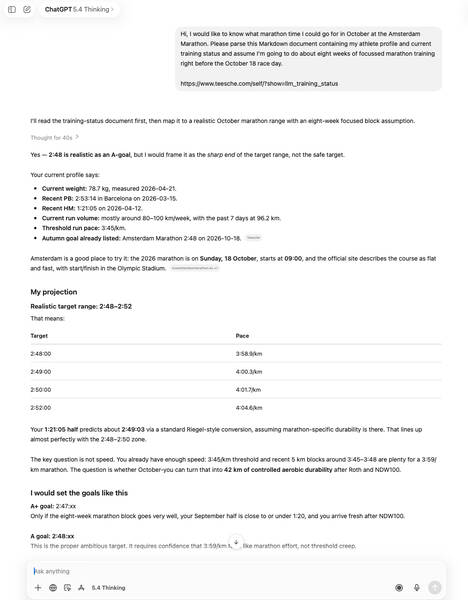
So when ChatGPT arrived at the conclusion that I could probably land between 2:53–2:54 hours at the Barcelona Marathon course, I simply decided to take this as fact and try to prove it correct. Together we made plans based on my heart rate during different stages of the race, dialed in the nutrition I knew to be working for me (currently it’s 4–5 of MNSTRY’s 40g carbs gels on a full marathon for me) and that was that.
Two weeks before Barcelona I had a highlight race on my calendar, the elusive Tokyo Marathon. I tried getting in for many years and finally got the ticket, so it was obvious for me I would go. It would serve as my last big long run before Barcelona and I planned to run it aiming for a 3:15 hour finish, which would not strain my muscles and nervous system by too much. The conditions were so favorable I couldn’t help but end up with a 3:05h result, though. You can read up on the whole thing in this separate blog post, which by the way got me the much-coveted Six-Star Medal because Tokyo was my final of the World Marathon Majors.

Shortly after coming back from Tokyo and recovering, my family and I spent a week of the school holidays on the mediterranean island of Mallorca, just off the Spanish coast and Barcelona. It was the perfect relaxed tapering week. Great weather, not too hot yet in early March. All six of us needed to just chill for a few days after that tough winter, so we did close to nothing and loved it. Of my daily runs I just did two with some marathon-related efforts in them, one a 3x3 kilometer race pace run and one short 4x1:00 minute activation a couple days before the race. Hopping on the plane over to Barcelona I was feeling fully recovered from Tokyo and eager to test my fitness.
Conditions here were perfect. Not too hot, not too cold, no winds, no rain. Let’s do this!
🔫 Start of the Race, Attempt at a New Personal Best, Coached by Artificial Intelligence
I really like Barcelona Marathon and have already signed up for the 2027 edition to return for my third go at this one. I noticed how it has become more crowded compared to the year before and hope they will take care of this problem for the next editions by maybe spreading out starting blocks a bit more. It wasn’t too bad in the beginning, but unfortunately I then got stuck behind the 3:00 hour pacing group. It was a big one and there was just no way to pass them for around ten kilometers. Thankfully they were running slightly too fast so I wasn’t losing much on my calculated race prediction. Those first aid stations were quite chaotic and it was impossible to get some water due to the crowds, but I fortunately didn’t need any yet.
After about fifteen kilometers I finally was presented with a chance to pass the big blocking group on a wide road section and made sure not to go crazy now. The energy expenditure rises exponentially with the rising pace, so such an early charge could damage my race a lot. It’s good I’ve made all these mistakes before so I know not to repeat them.
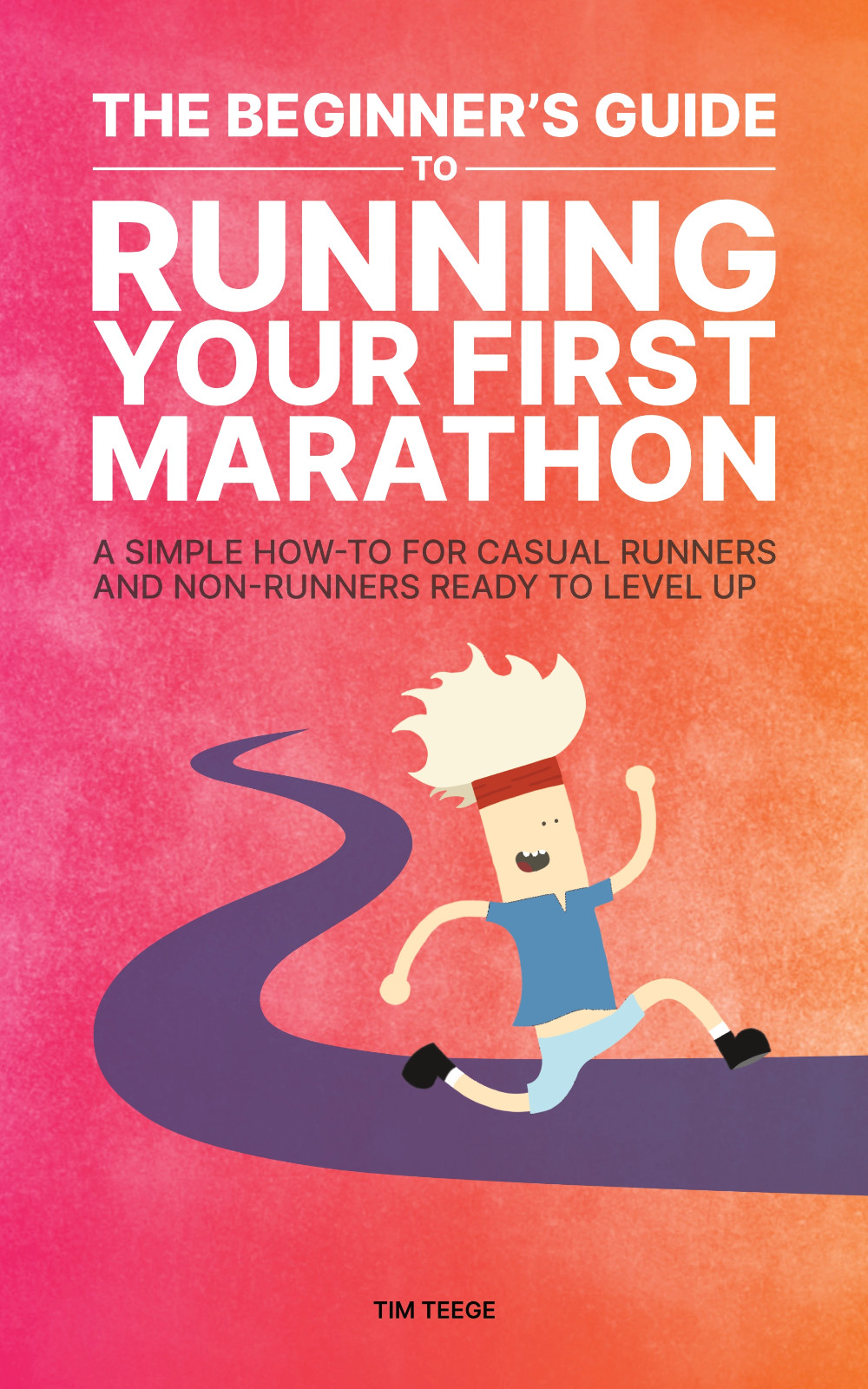
The race went really well, I stayed exactly where ChatGPT told me to pace-wise and my heart rate cooperated perfectly. This bit is also due to luck, as most of us know. Some days, our heart just decides to not do what it normally does and is higher up than usual or just won’t reach the numbers. A lot of factors have to align for everything to work well. Sleep, nutrition, emotional and motivational state are amongst them. Knowing how this is not a given, I was very thankful to have been presented this opportunity today by my body. And I was about to not throw it away.
Barcelona’s people put on a great show again, right from the beginning. I love the pathos of this live cover version of ‘Barcelona,’ the duet Freddie Mercury and Montserrat Caballé originally recorded for the 1992 Barcelona Olympics. Goosebumps. Crowds were right at the sweet spot, not too annoying, not too quiet. Some stretches were big hotspots and then you had some kilometers to fully focus on yourself as well.
I was able to digest and possibly resorb most if not all of the five big gels I took with me on the course, and had some water and electrolyte drinks to taste. Less then normal, but I was just going fully by feel. Turns out, that feel is quite on point.
My pacing was slightly slower than planned over the first ten kilometers due to the blocked course, but I felt really good during the middle part and easily increased the pace to offset the lost time while still staying true to the heart rate maximums I had written on my arm.
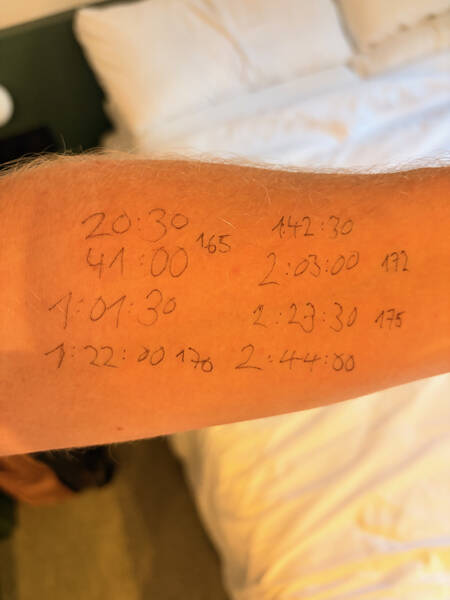
It was after 34 kilometers, on a tough straight section with headwinds and no runners to hide behind, that my heart rate went above the 175 mark which I had set as the planned maximum today. With just eight kilometers to go though, I knew I would have a real chance at keeping this high effort up for what would amount to just over half an hour of intense running at my pace. It slowly climbed up to 180 and even beyond, especially during the tough uphill section at kilometers 40–41, and my exhaling now became audible. It was real work, I was at my uppermost limit for a race of this exact distance.
At the same time I was simply amazed by how accurate the prediction has been.
I was a few minutes away from the finish line, doing exactly what ChatGPT and I had planned, I was going at 100% and firing on all cylinders, but I knew I could keep this up until the finish. How amazing is this? A little bit scary at the same time.
Sure, lots of factors are still based on pure luck and just came together today. Many of those factors aren’t even measurable and might never be. But still. This is quite the success.

Fully spent I sprinted towards that Arc de Triomf and over the finish line. Incredible, how well this went! I don’t know if I’ve ever been able to pace a marathon race this perfectly. It was exactly the result that was at the uppermost point of possibility for me on this day, I made full use of my current potential. So this is how that feels! Leaving nothing in the tank but also not bonking is this thin line that’s so elusive for almost anyone, it felt like a big victory to having nailed it today.
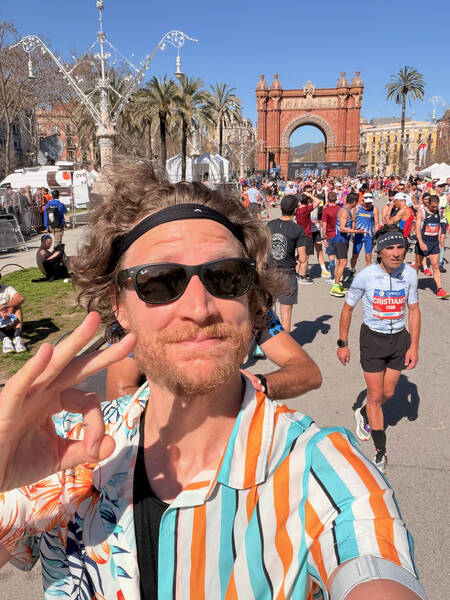
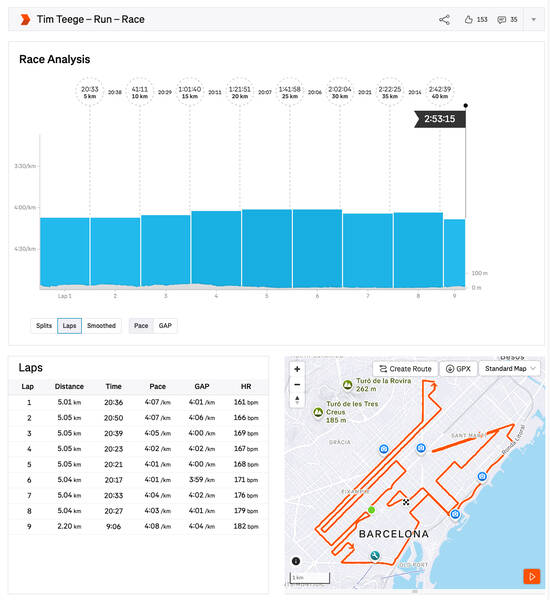
I landed right in the middle of the ChatGPT prediction with a result of 2:53:14.
An odd thing happened to me right after that finish line. I suddenly found myself thinking “I can’t wait to tell ChatGPT that the plan worked!” — much like the character Trinity in the movie The Matrix, it took me a split second to remember that it’s not my friend or coach, it’s a machine. But, as in the movie, does the machine need to die for us humans to live?
💭 Conclusive Thoughts on Training with AI
After Barcelona I continued on to have ChatGPT plan my training and go for a new half marathon PB a few weeks later. This was also successful, but not to the same degree. I made some new mistakes, including not running on the ideal line of the course and amassing 250 extra meters costing me around a minute. I also reached the maximum quad power on that attempt and had to walk for a few seconds just to get the legs in order. Lack of strength training on the quads is my quick response there. Both is clearly on me — there are always new lessons to be learned.
My personal opinion is that run coaching has no chance going forward without utilizing artificial intelligence. At least not if you’re going for the best possible results. Currently, it’s still a bit janky if you’re not able to quickly code together an information base for your AI to use. But it’s just a matter of time until proper AI coaching with all the relevant data points included will be accessible to everyone.
Right now, the best solution would be to have an experienced human running coach look over what AI suggests you to do and make some adjustments by gut feel, taking special care of these invisible factors I mentioned. But this is clearly a transitional phase. It won’t be long until the human overseer isn’t required anymore as well.
The way I see it, the running community will transform and adapt. That’s what humans are built for. We will put more emphasis on relationships to running buddies and will certainly remain talking about and comparing training methods a lot, profiting off of the advantages that being around other like-minded people have. Our individual training will become more effective, people will become faster and reach their potential more quickly and sustainably. If that’s what you’re after, good times! That’s not everyone’s goal, and training with a human running coach will certainly not cease to exist overnight one day, but it will become a very small percentage of all coaching relationships. Just like people are still enjoying riding horses even though automobiles have long outperformed them in any way.
Which brings us to the next topic.
🌳 Ethical Arguments Around the Use of Generative AI
As we’ve seen with many of these revolutions in the past, the consequences always include downsides — sometimes huge ones. The automobile revolution of the early 20th century introduced mobility to the masses but also played a huge role in accelerating the climate catastrophe, of course.
And we’ve had the agricultural and industrial revolutions to thank for the lack of movement in our daily lives which now consist of sitting at a desk for ten hours every day. Food availability led to an obesity problem. Those things then created the breeding grounds for recreational running rising in popularity in the second half of the 20th century. These consequences are often unforeseeable — no horseshoe smith back in the day would have thought that the appearance of cars would lead to people running marathons for fun one day.
One recent thought I had about this situation we’re in is that it might lead to us taking up “thinking as a hobby” in a similar way that “running or moving as a hobby” was a consequence of having built machines which do all the hard work for us. Our brains have evolved to be good at thinking, and if computers are continuing to take over and think for us as they have started to do in recent years, we might start longing for more thinking. Maybe we’ll come up with some sort of equivalent to the marathon, a thinking marathon we’re going to train for and do for fun in a few decades? Who knows! Doing crossword puzzles and solving the daily New York Times Wordle, or playing chess have certainly already become a lot more popular in recent years.
Many people find this all very scary. As I’m sure many did back then when those other revolutions changed daily lives for good. Denial is a strong emotion but also a very unsuccessful one. There are no advantages to simply denying change is going to happen. Except for maybe a short-lived calming down of the individual.
When people are scared of change, they tend to try and find all the problems with the new thing and try to block its development. I think that’s also an important part in society. Problems need to be discussed. This is currently very difficult to do though, and we have the internet revolution with its social media to thank for that. Reality is skewed, important facts are left out, lies are everywhere, incentives are unclear and conflicting, it’s just super complex. So complex, you’d need an actual AI to make sense of it all.
The questions behind the AI revolution are incredibly interesting to me. What parts of human life do we actually want to hand over to the machines, and which not? Thinking about the creation of art and music here. How should an ideal AI-aided day in the future look like for us humans? Where can we take this technology, and will it really become a threat one day? See my book review on the Elizer Yudkowsky book called “If Anyone Builds It, Everyone Dies” for more information on that. From a scientific standpoint, this is an amazing time to live through. These advancements still feel like magic, even to those involved in creating them. Of course a lot has been written about it, but one interesting article I want to share here, and it’s about how there’s an actual case for being friendly to your chatbot.
Another big argument against AI has been the environmental impact. But I’ve come across these facts here, published by Andy Masley at the end of 2025, quote:
ChatGPT's efficiency per prompt has improved 33X the past year [2025], falling to 0.0003 kWh, roughly the energy required to stream Netflix for 8-10 seconds or conduct a Google search in 2008. Total AI data center water usage is also now equivalent to 3% of the water used by all U.S. golf courses.
One query is as bad as watching Netflix for just 8–10 seconds? Also have a look at his infographic putting the CO₂ emissions into context. Spoiler, getting rid of that combustion engine car is still the best thing you can do for the environment as an individual.
🔮 What I Will Do Moving Forward
I’m convinced AI is here to stay. Frankly, I don’t want to go back to asking Google questions and skimming dozens of pages full with stupid advertisements. The disruption is real and there are lots of visible and yet invisible consequences to this pivot, but there’s no denying it’s highly useful in lots of cases and running is clearly among these uses.
Lately my running buddies and I have been talking about what our AIs have recommended us to train. Then we talk about why and if the AI had the correct underlying information to come to those suggestions. We experiment and make adjustments. That part hasn’t changed.
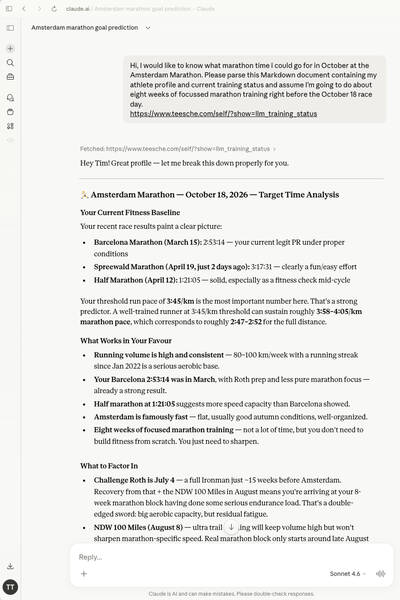
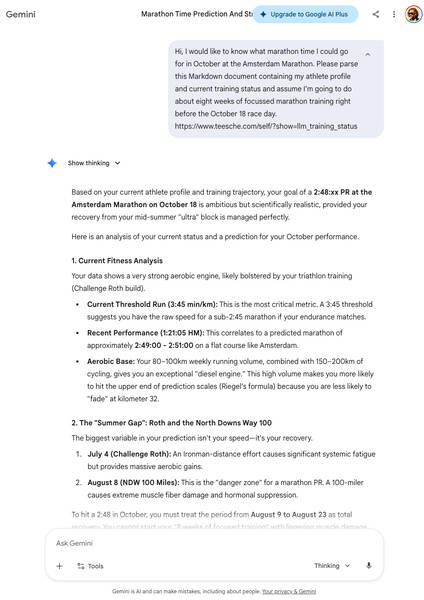
After Barcelona I was sure that I can run a 2:48-hour marathon as I initially planned with the help of ChatGPT when the conditions are not as icy as they were. Making it to that 2:53:14 finish was the best possible result I could have reached given the circumstances. So I made plans to go for another fast road marathon this year and signed up for Amsterdam Marathon in late October. And the AIs seem to agree I can do it.
There’s still a lot that’s going wrong in the world and AI certainly does contribute to some of it, but in my opinion that’s not as effective an argument against making use of the opportunities we now all have. My thirst for knowledge and my curiosity are super happy about the advent of this technology and the 20–30 queries I ask each day have enriched the quality of my life by a lot and I can’t wait to see where this will go.
What about you? Do you agree or disagree? What other problems do you see and what uses have you found? Feel free to tell me in the comments or write me an email. I’d love to have that conversation, especially if it’s running related.
How do you feel after reading this?
This helps me assess the quality of my writing and improve it.
8 Comments
Write a CommentSam Rivera wrote:
19th of July 15:19
Leave a Reply to Sam Rivera
→Teesche replied:
19th of July 19:22
Anonymous wrote:
4th of July 12:47
Leave a Reply
→Teesche replied:
4th of July 20:44
Kenyan Running wrote:
19th of June 17:29
Leave a Reply to Kenyan Running
→Teesche replied:
20th of June 22:06
HV wrote:
inspired by one of your previous blog posts, I also gave Chat-GPT a chance to be my coach. And I was also surprised how well this worked.
After a flu or covid (?) back in February, and a 2 weeks training break, followed by another 2 weeks of just low intensity training, I asked Chat-GPT how I should continue to prepare for the two upcoming marathons (Paris in April, and Salzburg in May), and I got a lot of good advice.
With a few exceptions, I did what Chat-GPT suggested, and it worked out great. Paris marathon was a fast training run with a huge negative split (good for the ego ;-)), and in Salzburg I managed to do a new PB, 3.5 minutes faster than my old PB. I'm pretty sure, without asking Chat-GPT, I would have done Paris is a rather slow "fun" run, but the AI convinced me, that doing it as a progressive run with some marathon pace component makes more sense. Looking back, I'm pretty sure, this run helped a lot for the new PB 5 weeks later.
And of course it also was fun talking with Chat-GPT. At some point, it's hard to tell the difference between a real human and a machine.
And after passing the finish line in Salzburg, I pretty much had the same thoughts as you, to tell Chat-GPT that everything worked out great ;-). I think I will continue using Chat-GPT as my coach. With a solid running background and knowledge what works and what is required for proper marathon training, I think AI is a good tool for training. You get some structure into your training block, and you get a lot of good ideas, you otherwise would not think of.
Keep on with your great work, Tim. I love reading your blog. There is not much content on the Web from people thinking out of the box ...
19th of May 14:07
Leave a Reply to HV
→Teesche replied:
19th of May 14:56
Leave a Comment